
Lab Alumni
Meet my past students
The Awosile Lab proudly highlights its alumni, the PhD scholars, MSc graduates, and postdoctoral fellows whose work in the lab has helped advance research in One Health, epidemiology, and antimicrobial resistance. These past trainees form a vibrant and interdisciplinary community of scientists, clinicians, and public health professionals, whose contributions continue to shape innovative solutions to some of the most pressing health challenges of our time.
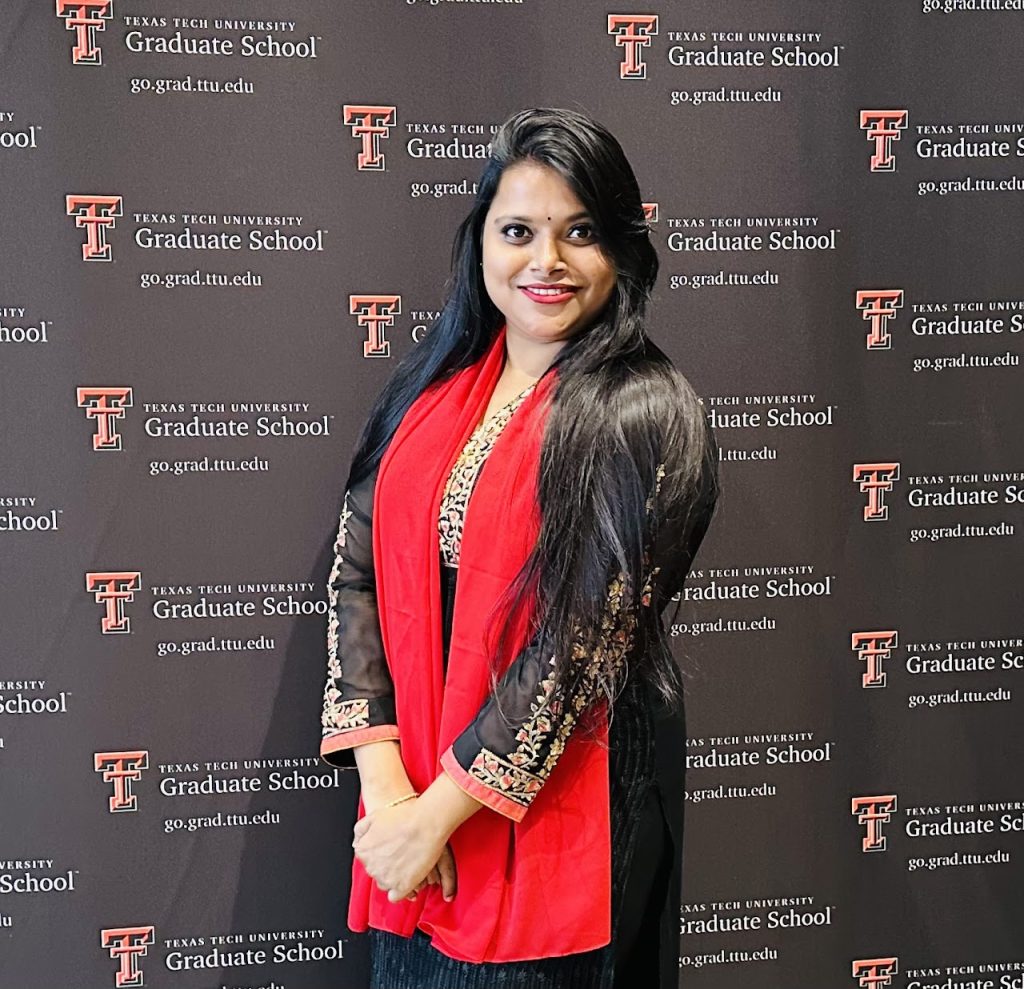
Yamima Tasnim
Yamima Tasnim is a One Health scientist and Research Associate, and a proud alumna of the Awosile Lab. She completed her PhD in One Health Sciences, where she combined her strong foundation in Mathematics and Epidemiology to advance research in antimicrobial resistance and public health.
Originally from Dhaka, Bangladesh, Yamima earned her BSc and MSc in Mathematics from Jahangirnagar University and a Master of Public Health (Epidemiology) from the American International University-Bangladesh. Before joining the lab, she completed research internships with the Bangladesh National Nutrition Council and the Directorate General of Health Services, and served as a health-seeking behavior and practice counselor during the COVID-19 pandemic through a medical outreach program organized by the Rotary Club of Mukto Swadesh.
Yamima joined the Awosile Lab in Fall 2022 as a Graduate Research Assistant, supported by the Texas Tech University Graduate Fellowship (Distinguished Graduate Student Assistantship – DGSA). Her doctoral research focused on the diagnostics of beta-lactam antimicrobial resistance (AMR) within a One Health framework, with a strong emphasis on phylogenomic analysis of beta-lactamase-producing Escherichia coli and microbial diversity across multiple hosts, including migratory geese, cattle, dogs, horses, pigs, coyotes, wild hogs, and environmental samples from across the United States. She applied advanced analytical techniques such as LC-DAD-MS and MALDI-TOF-MS, demonstrating exceptional technical and analytical expertise in AMR detection.
Her academic training included advanced coursework in One Health concepts, biostatistics, food safety, leadership, applied One Health, and population health and management. Yamima was also an active contributor to the scientific community, presenting her work at major conferences including the American Society for Microbiology (2023), Conference of Research Workers in Animal Diseases (2024), International One Health Symposium (2024), and the Amarillo Research Symposium (2024). During her doctoral program, she served as Treasurer of the Texas Tech University School of Veterinary Medicine Graduate Student Association (TTUSVM-GSA), reflecting her commitment to leadership and service.
She now continues her scientific career as a Research Associate, applying the interdisciplinary training and research excellence developed in the Awosile Lab to advance One Health and antimicrobial resistance research.
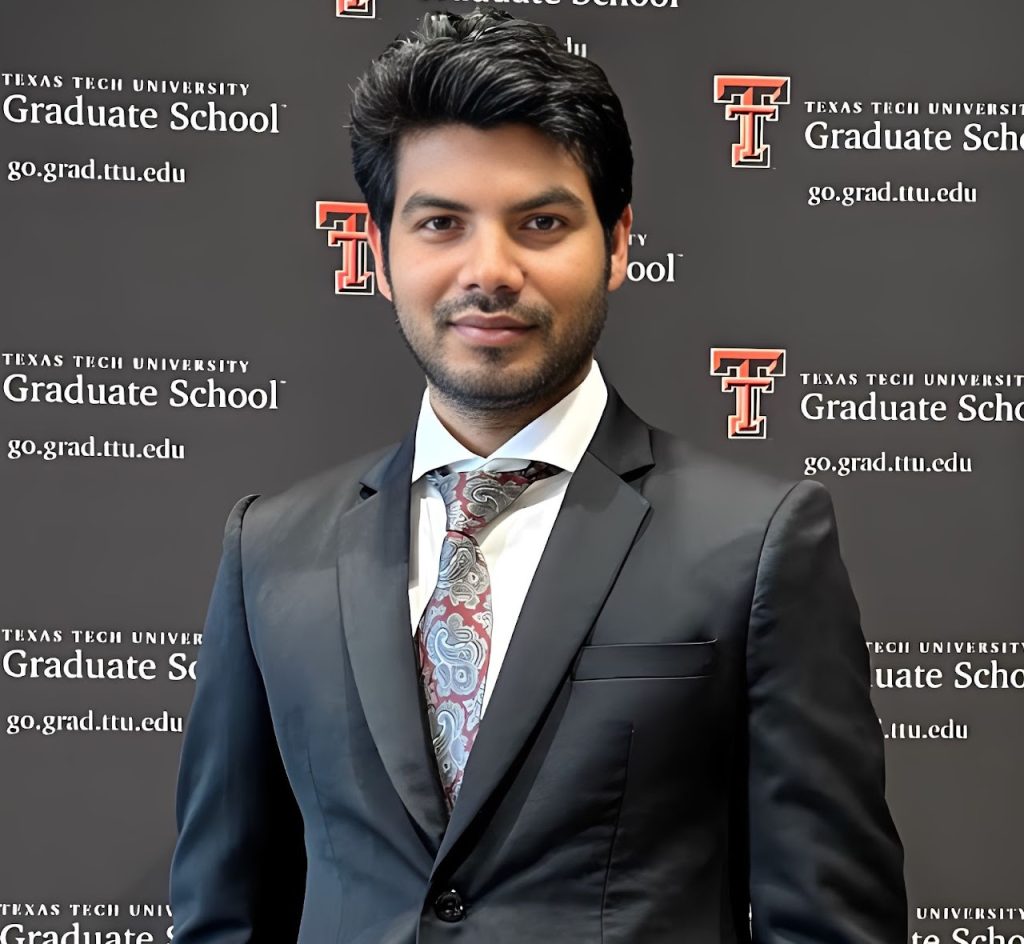
Md. Kaisar Rahman
Md Kaisar Rahman is a dedicated veterinarian and One Health scientist, and a proud alumnus of the Awosile Lab, having completed his PhD in One Health Sciences with a focus on Epidemiology. His doctoral research, titled “Epidemiological distribution of beta-lactamase genes in Enterobacteriaceae at the One Health interface in the United States,” investigated antimicrobial resistance across human, animal, and environmental interfaces.
He earned his Doctor of Veterinary Medicine (DVM) and Masters in Epidemiology from Chattogram Veterinary and Animal Sciences University. Prior to his doctoral studies, he served as a Research Officer (Epidemiology) on the USAID PREDICT-2 project, a collaboration between EcoHealth Alliance and the Institute of Epidemiology, Disease Control, and Research in Bangladesh (2017–2021), where he contributed to emerging infectious disease surveillance and outbreak investigation.
Rahman’s research expertise spans epidemiology, antimicrobial resistance, food safety, surveillance data analytics, systematic reviews, meta-analyses, quantitative analysis, and predictive modeling, reflecting his commitment to a data-driven, One Health approach.
He has been recognized with numerous awards, including the Helen DeVitt Jones Graduate Fellowship (2022–2025) and the Doctoral Dissertation Completion Fellowship (2024–2025). He also contributes to the scientific community as a reviewer for leading journals, including Infection and Drug Resistance, Transboundary and Emerging Diseases, Veterinary Medicine and Science, Antibiotics, and BMC Veterinary Research.
Rahman now continues his career leveraging his interdisciplinary training to advance research at the human-animal-environment interface, translating the skills and insights gained in the Awosile Lab into meaningful public health impact.
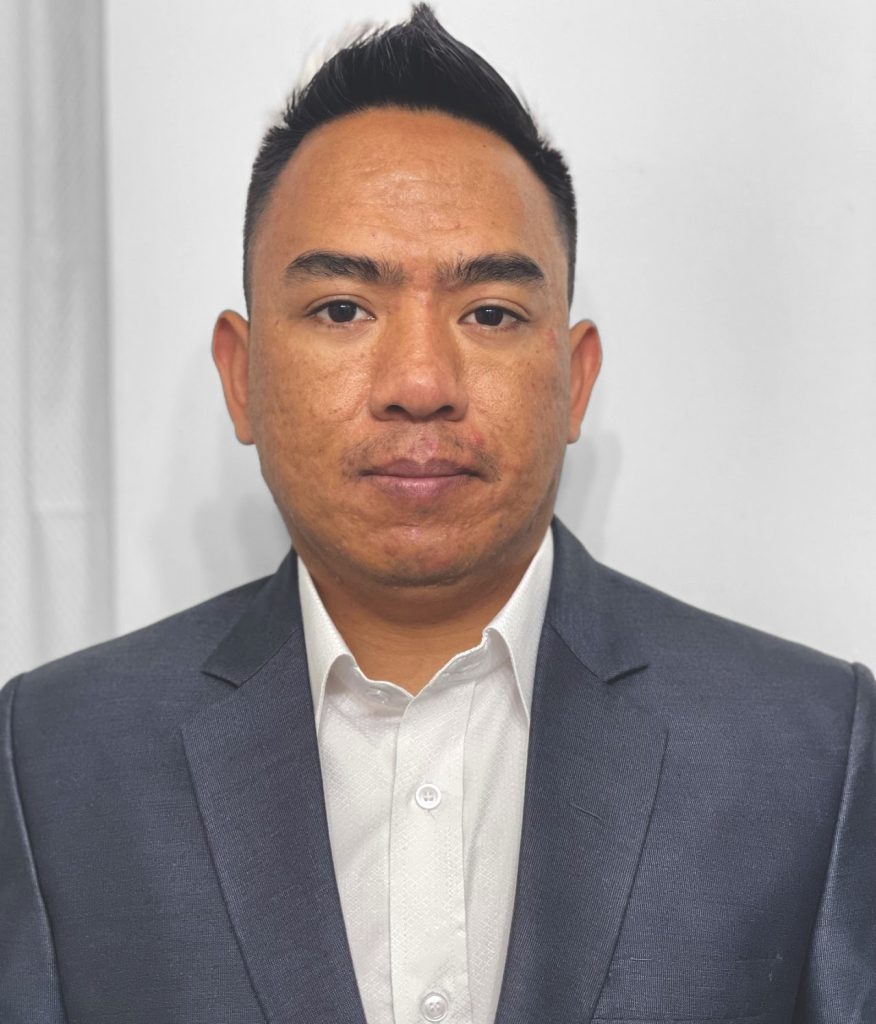
Dr. Saroj Gopali
Saroj Gopali is a Postdoctoral Research Associate and a distinguished alumnus of Texas Tech University, where he earned his B.S. in Computer Science, M.S. in Software Engineering, and Ph.D. in Computer Science.
He brings a unique blend of industry and research experience. During his software internship at Nemalife, he developed an object detection model, and as Entrepreneur Lead in the National Science Foundation’s Innovation Corps (I-Corps) Summer 2022 cohort, he collaborated with his team to conduct over 100 professional interviews, test multiple hypotheses on social engineering prevention, and successfully pitch a startup idea that advanced to the TTU Accelerate 2023 cohort.
His research expertise spans Time Series Analysis, Deep Learning, Natural Language Processing (NLP), Large Language Models, Internet of Things (IoT), and Cybersecurity, with ongoing interests in machine learning, deep learning, NLP, and applied cybersecurity solutions.
Saroj’s academic and research excellence has been recognized through prestigious awards, including the TTU Outstanding Thesis/Dissertation Award (2024) and the Doctoral Dissertation Completion Fellowship (2023–2024). He actively contributes to the scholarly community as a reviewer and program committee member for leading conferences and journals, such as IEEE BigEACPS, IEEE COMPSAC, MDPI Electronics, Processes, MDPI IoT, and ACM SAC.
As a postdoctoral researcher, Saroj continues to advance the intersection of computational science, AI, and cybersecurity, building on the expertise developed during his doctoral and professional journey.